 | | 
 |
|
Pre-cooling refers to the rapid removal of field heat from
freshly harvested commodities before packing and distribution and storage and
is essential for horticulture crops to preserve their freshness, quality and
post-harvest life.
For many fresh horticulture commodities, one hour time loss
at the field temperature of 30°C between harvest and pre-cooling can reduce
produce life by as much as 8-24 hours.
Delay in pre-cooling results in loss of moisture from the
produce causes weight loss and combined with active micro-biological organisms
result in deterioration of quality and value loss.
Conventional cold stores and refrigerated transport systems
neither have the refrigeration capacity nor the air circulation needed for
pre-cooling/ rapid cooling of fresh horticulture produce.
There are three main methods used for rapid cooling of fresh
produce;
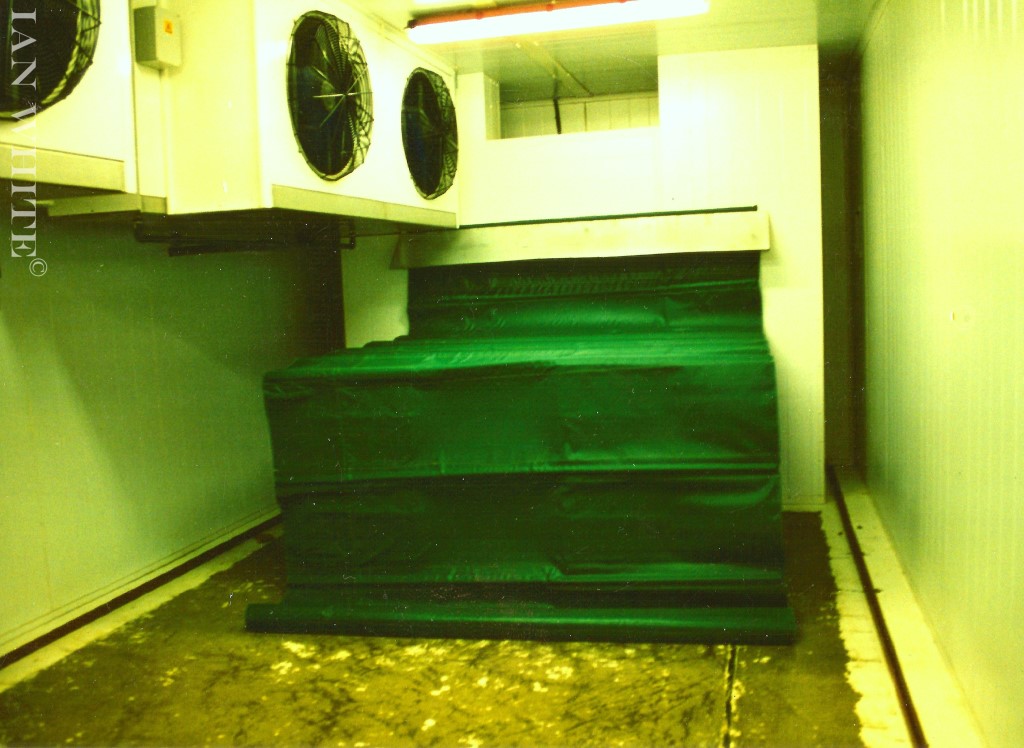
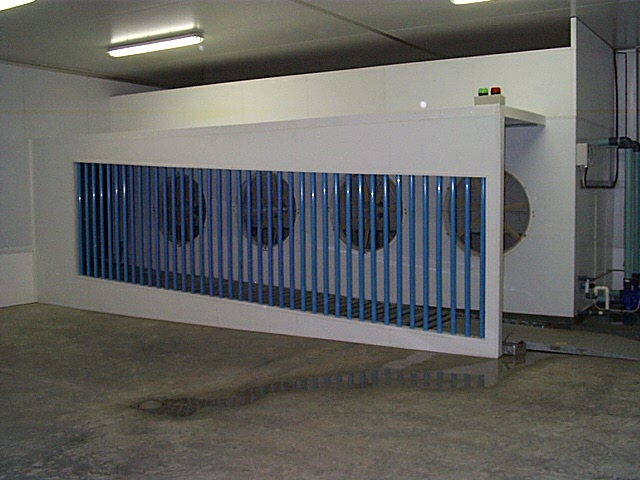
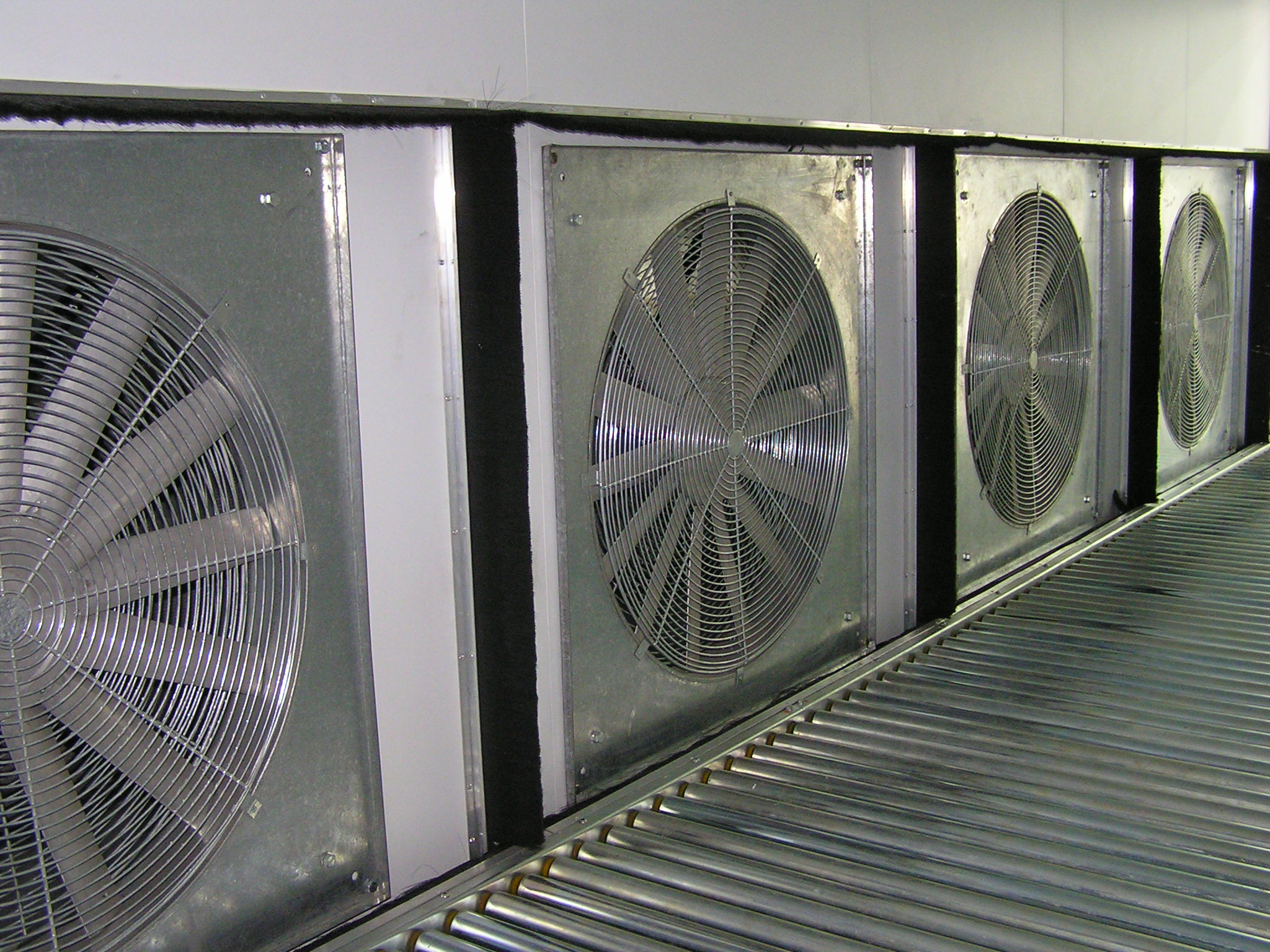
Forced air cooling
Hydro cooling
Vacuum cooling
Great care needs to be taken to ensure the correct cooling
methodology. Forced air cooling is the most commonly used method but poor
system design can result in dehydration during the cooling process or uneven
cooling times. High relative humidity of the cooling air is a vital factor in
the design of forced air cooling systems and high humidity coolers are an
essential part of the design.
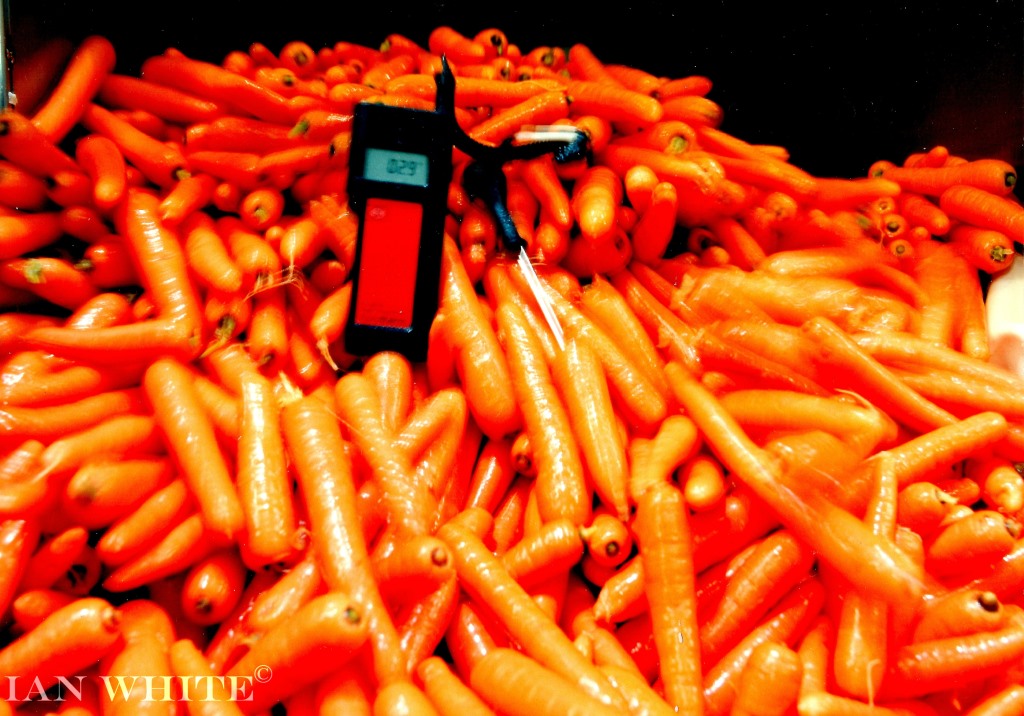
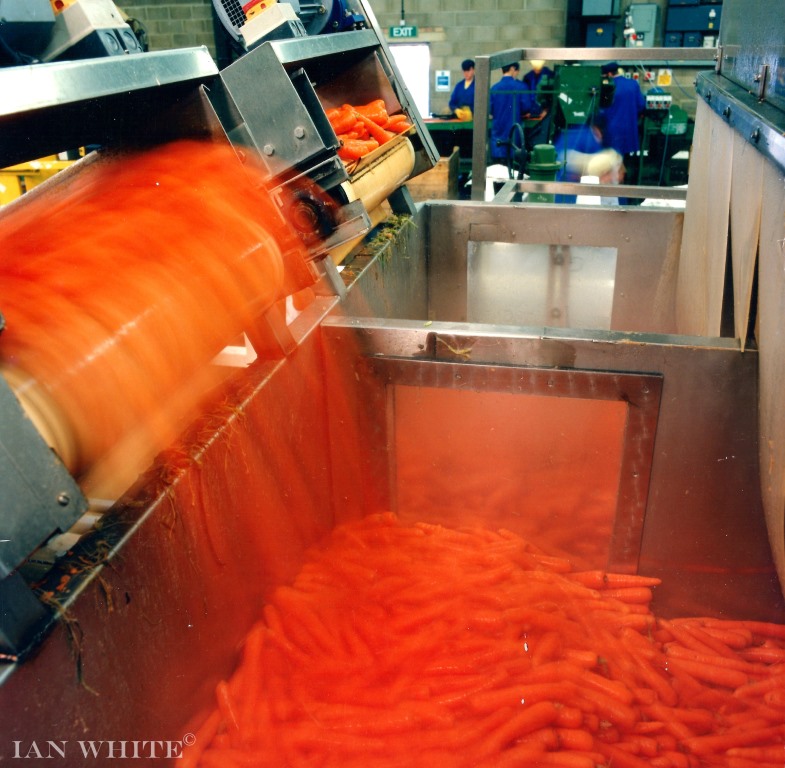
Hydro cooling is most commonly used for root vegetables and
should be viewed as a continuous and in line process. Water flow and filtration
are very important in achieving the required cooling times which can be as low
as five minutes for asparagus and fifteen minutes for carrots.
Vacuum cooling is the least common method used. It is an
extremely rapid method of cooling and used in large scale operations for
cooling lettuce or other leafy products. One problem in the conventional set up
for every 5 °C temperature reduction the product will lose around 0.9% of its
moisture. This can be a problem with high incoming temperatures and can be
overcome to an extent by adopting a variation of conventional vacuum cooling,
often known as hydro vac.
 |