|
IMPROVING SHELF LIFE
AND REDUCING WASTE
There are many factors which determine the shelf life of
fresh produce; all of them inter connected in one way or another. Produce
handling, cooling, packaging and further temperature control are vital areas
but so are harvest, hygiene and best working practice.
We are all aware of “The cool Chain” but just because our
produce arrives at the distribution centre within the set temperature band
doesn’t mean we have it right. It doesn’t mean that we are providing the best
quality with the longest shelf life. It just means that according to the
circumstance and methodology we are using this is the result.
Fresh Produce is most vulnerable from the time of harvest to
the point of sale, it’s a time of high risk as all investment has been made in
the production and packing and yet it is an area that very rarely benefits from
a complete holistic approach. Initial consultation
In many cases 50- 70% of the total
shelf life value can be lost before the product is produced.
WHAT NEXT – PHASE ONE
The first step to increasing your shelf life starts with a
site visit and information gathering. Depending on the size and complexity of
the operation one or two days are required for this. During this time I will
need to see every aspect of the operation from harvest to final pack and
despatch
·
Harvesting of all crops
·
Transport arrangement to pack house
·
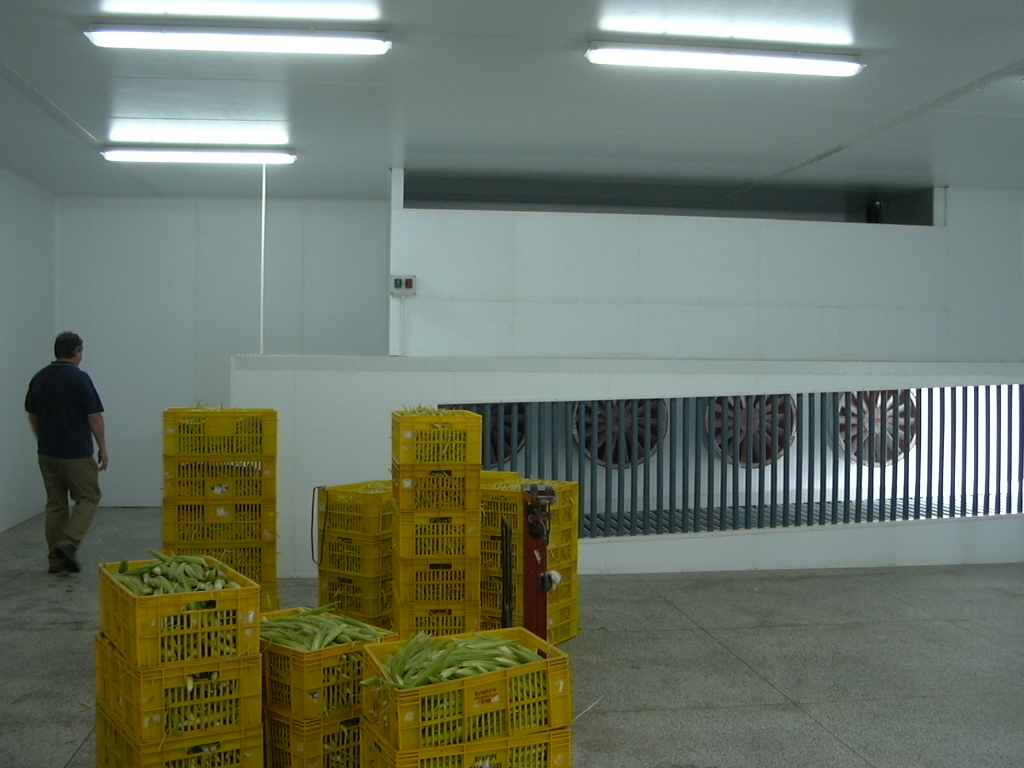
Pre cooling operation
·
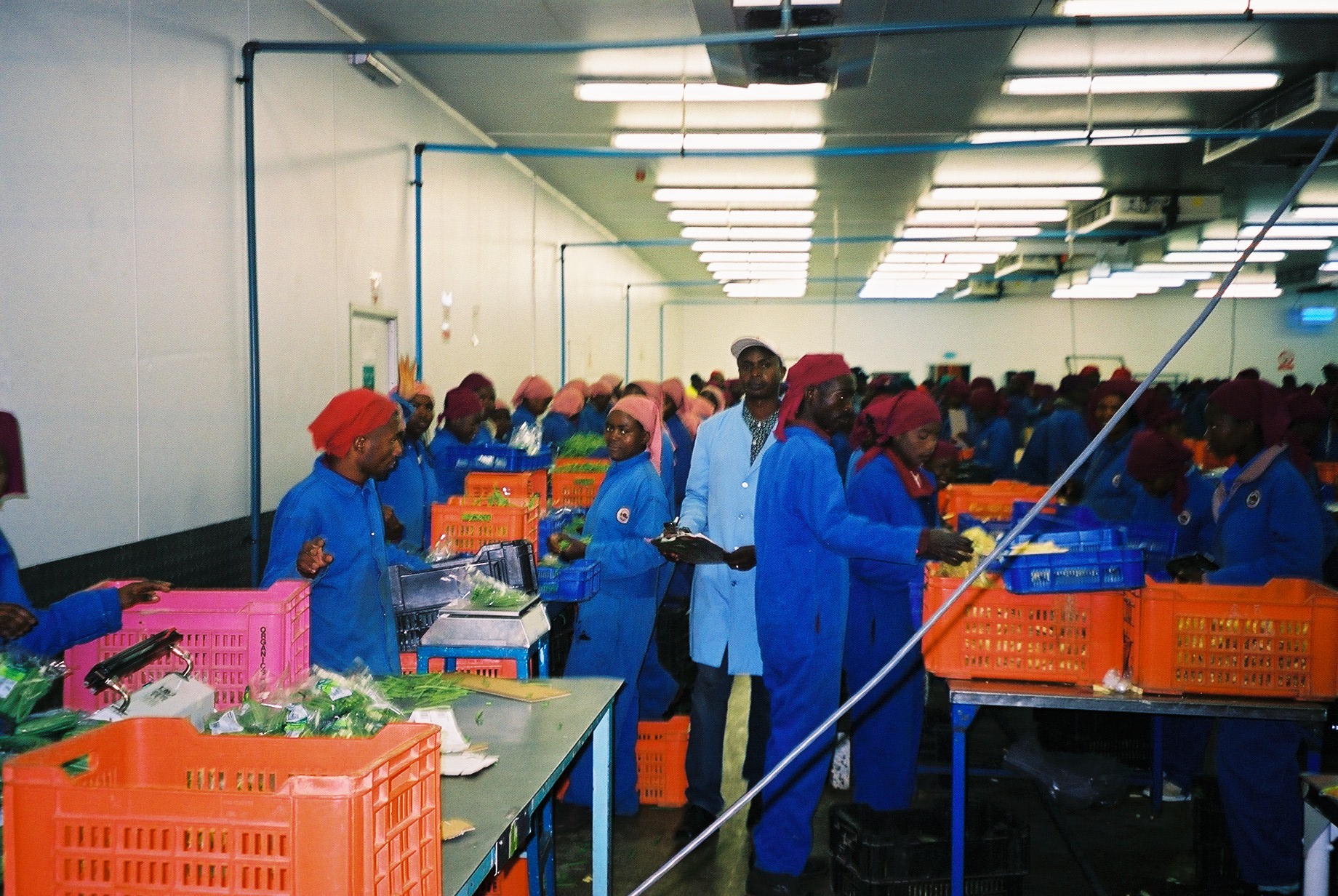
Packing/processing
·
Final storage
·
Distribution
From the data gathered from the site visit a report is
produced and a plan evolved showing areas that can be looked at to preserve
quality and reduce waste. It is
important to understand that this is a complete holistic approach and may not
necessarily involve high capital expenditure. It is important to view the whole
process from start to finish as every step and action will have an outcome that
will affect the final result.
PHASE TWO -
IMPLEMENTATION
Implementation of the steps recommended in the report is
clearly a vital factor and I will assist throughout this phase. This may
involve some design work or assistance with contractors, simple manufacturing
or putting together training manual. Whatever the solution is you will have my
full support going forward.
PHASE THREE – THE
FOLLOW UP
One thing that I have learnt in the last 36 years is that it
is important to follow up on applied Post Harvest solutions to make sure that
the best practice is still carried out and as we all know things can change
with either new varieties, growing areas, customer specifications etc. which
may lead to small tweaks in the Post-harvest methodology to ensure optimum
results going forward. A follow up visit say six months after the initial work
can be extremely benificial.